
The Silent Threat: How to Spot Hidden Roof Leaks Before They Cause Major Damage
A small drip you can't see is often more dangerous than a sudden downpour. Hidden roof leaks are one of the most common and costly issues homeowners face, silently causing rot, mold, and structural damage long before a water stain ever appears on your ceiling. For homeowners in the Woodstock area, where our weather can range from heavy summer rains to winter ice and snow, a sound roof is your home's most critical line of defense. Ignoring the subtle warning signs can turn a minor fix into a major renovation project.
Understanding what to look for is the first step in protecting your home and your investment. This guide will walk you through the early warning signs of a hidden leak, from the attic to the exterior, so you can catch problems early and prevent them from escalating. We'll explain why even the smallest amount of water intrusion is a big deal and what you can do to ensure your home stays safe and dry.
Telltale Clues Inside Your Home
The earliest evidence of a roof leak often appears inside your house, but it can be easy to miss if you don't know what you're looking for. These signs can be subtle and develop slowly over time.
- Stains on Ceilings and Walls: The most obvious sign is a discolored spot on your ceiling. These stains often look like yellowish or brownish rings and can be faint at first. Pay close attention to the corners of rooms on the top floor and around fixtures like ceiling fans or lights.
- Peeling or Bubbling Paint: When moisture gets into drywall or plaster, it can cause the paint or wallpaper to bubble, peel, or blister. This is a sure sign that water is present where it shouldn't be.
- Musty Odors: If you notice a persistent damp, earthy, or musty smell, especially in your attic or on the upper level of your home, it's a strong indicator of mold or mildew growth. This happens when water has been slowly seeping into building materials, creating the perfect environment for mold to thrive.
- Visible Mold or Mildew: In more advanced cases, you might see dark spots of mold appearing on ceilings or in the corners of walls. This not only indicates a water problem but also poses a potential health risk to your family.
Your Attic: The First Line of Detection
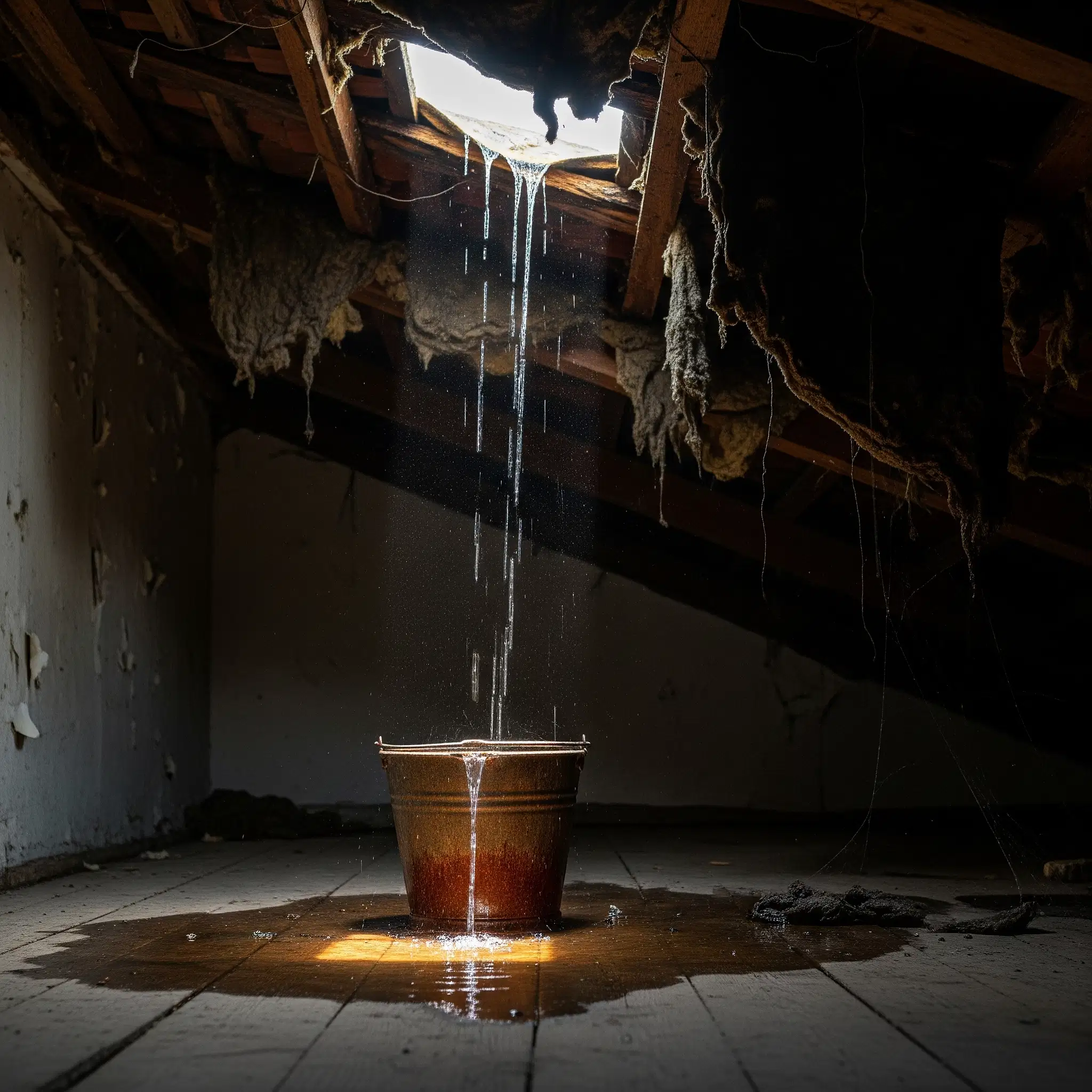
Your attic is the best place to find the source of a leak before it causes visible damage to your living spaces. A quick, careful inspection a couple of times a year can save you a significant headache. When you go up to check, be sure to use a flashlight and watch your step, only walking on the joists.
Here’s what to look for:
- Wet or Compressed Insulation: Insulation should be light and fluffy. If you see areas that are matted down, damp, or discolored, it's a clear sign that water has been dripping onto it.
- Dark Stains on Wood: Examine the underside of the roof deck (the plywood or OSB sheathing). Look for dark streaks, water stains, or black rings around nails. These marks trace the path water has taken.
- Daylight Peeking Through: On a bright day, turn off your flashlight and look up. If you can see any slivers of daylight coming through the roof, it means water can get in just as easily.
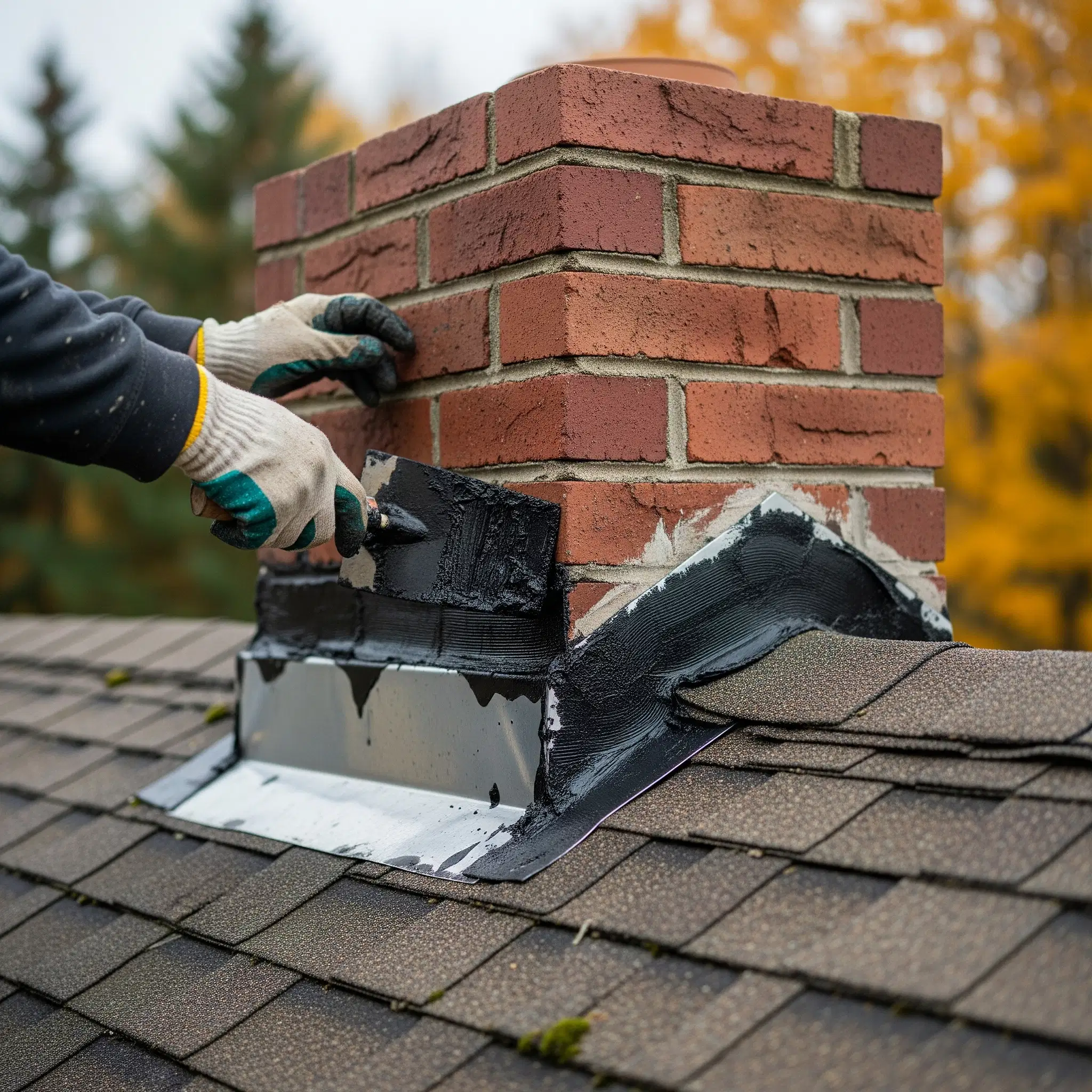
- Moisture Around Penetrations: Pay special attention to the areas where objects pass through your roof, such as chimneys, plumbing vents, or exhaust fans. These are the most common spots for leaks to develop.
What to Look For on Your Home's Exterior
While a professional inspection is the safest way to assess your roof's condition, you can spot several potential issues from the ground. These exterior problems are often the root cause of hidden leaks.
- Damaged Shingles: Look for shingles that are cracked, curled at the edges, buckled, or missing entirely. During our intense McHenry County hail season, even minor impacts can compromise a shingle's integrity.
- Compromised Flashing: Flashing is the metal material installed around chimneys, skylights, and vents to seal the seams. If this material is rusted, cracked, or pulling away from the roof, it creates a direct path for water to enter.
- Clogged Gutters: Gutters filled with leaves and debris can't drain properly. This causes water to back up against the edge of the roof, where it can seep underneath the shingles. In the winter, this same issue leads to destructive ice dams.
- Granule Loss: If you see a lot of black, sand-like granules in your gutters or on the ground near your downspouts, it means your shingles are aging and losing their protective outer layer, making them more vulnerable to leaks.
Don't Wait for a Drip to Become a Disaster
It's tempting to ignore a small stain or a minor issue, but even a tiny leak can lead to catastrophic damage over time. Water that seeps into your home's structure can rot wood framing, ruin insulation, and create a widespread mold problem that is expensive to remediate. What starts as a simple roof repair can quickly escalate into the need for a full roof replacement and extensive interior repairs.
Being proactive is the key to protecting your home's value and ensuring your family's safety. Regular inspections and addressing small issues promptly are the most effective ways to prevent long-term damage. A well-maintained roof is essential for peace of mind, energy efficiency, and the overall health of your home.
If you've noticed any of the signs mentioned above or simply want the assurance that your roof is in top condition, don't hesitate to call in a professional. At Just Roof It, we specialize in expert leak detection and repair for our neighbors throughout the Woodstock community. Our experienced team can pinpoint the source of any issue and provide reliable solutions to keep your home protected. Contact us today to schedule a free, no-obligation inspection!