
Roofing Guidelines for Woodstock Historic District Homes
Owning a property near The Square is a unique privilege. The stunning Victorian architecture and rich heritage make this area a beautiful place to call home. However, maintaining an older property comes with a specific set of responsibilities, especially when it is time to upgrade your exterior. Balancing modern protection against harsh Midwestern weather with strict aesthetic standards can feel overwhelming for many homeowners.
When an aging roof begins to fail, you are not just looking at a standard home improvement project. You have to consider landmark preservation roofing guidelines, municipal building codes, and the architectural integrity of your property. Navigating these requirements while ensuring your home remains safe, dry, and energy-efficient requires careful planning and a deep understanding of both modern materials and historical standards.
Whether you are dealing with the aftermath of a severe storm or simply planning a necessary upgrade, understanding the rules and best practices for historic homes will help you make informed decisions and protect your investment for decades to come.
Navigating Local Regulations and Permits
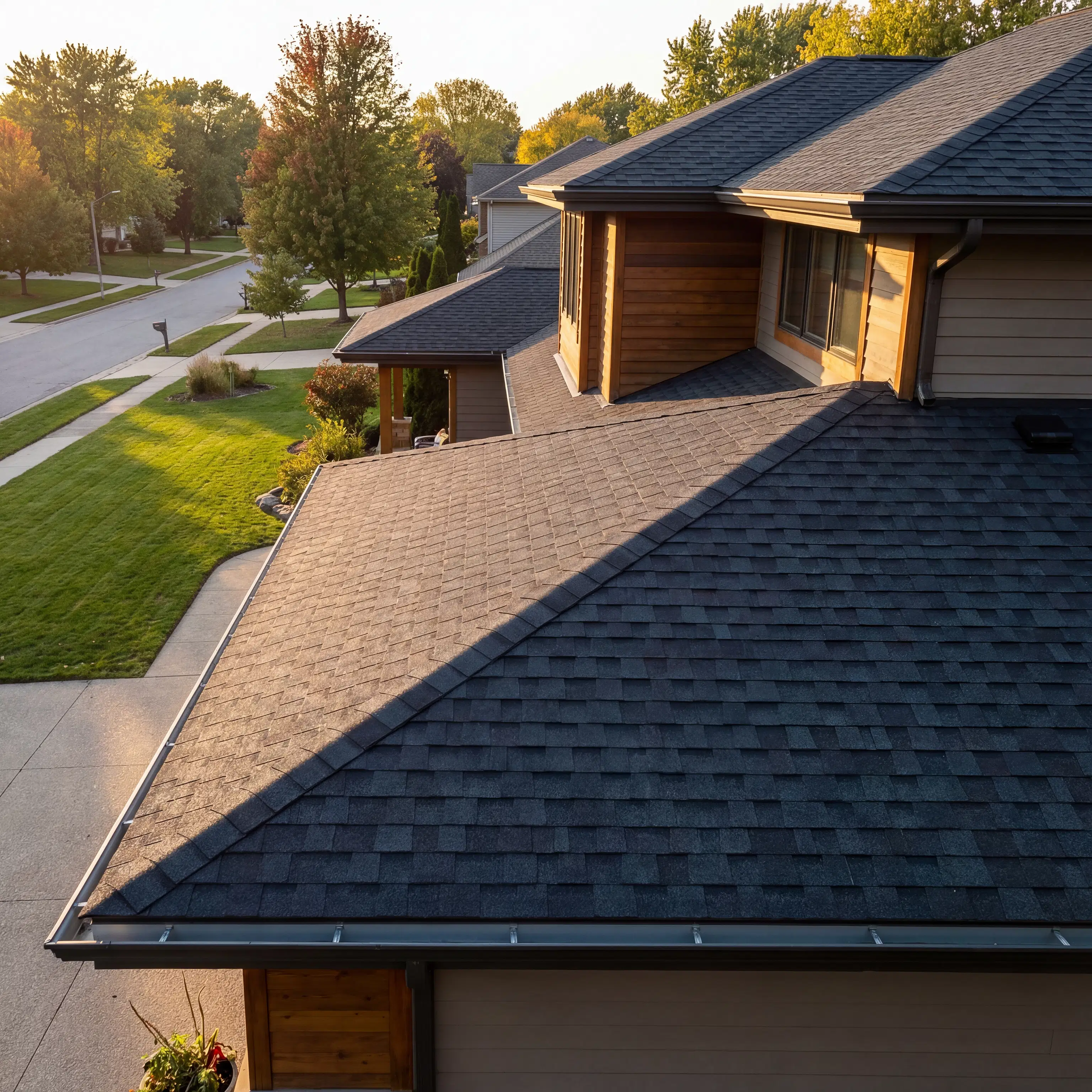
One of the most common questions homeowners ask is whether they need a building permit for a roof replacement. The short answer is yes. When your home is located within a designated Historic District, the permitting process involves an extra layer of review to ensure that any exterior changes align with the neighborhood's historical character.
Navigating municipal building codes and permitting processes can sometimes cause administrative bottlenecks, delaying your project. The local review board typically looks closely at the materials, colors, and overall design you plan to use. Their goal is to ensure that the new installation does not detract from the historical significance of the property or the surrounding streetscape.
This is why partnering with an experienced professional is so critical. A knowledgeable contractor will handle the paperwork, submit the necessary material samples to the review board, and ensure that every aspect of the project complies with local regulations. This proactive approach prevents costly fines, avoids project delays, and ensures that your home remains a beautiful, compliant piece of local history.
Choosing the Right Materials for Historic Preservation
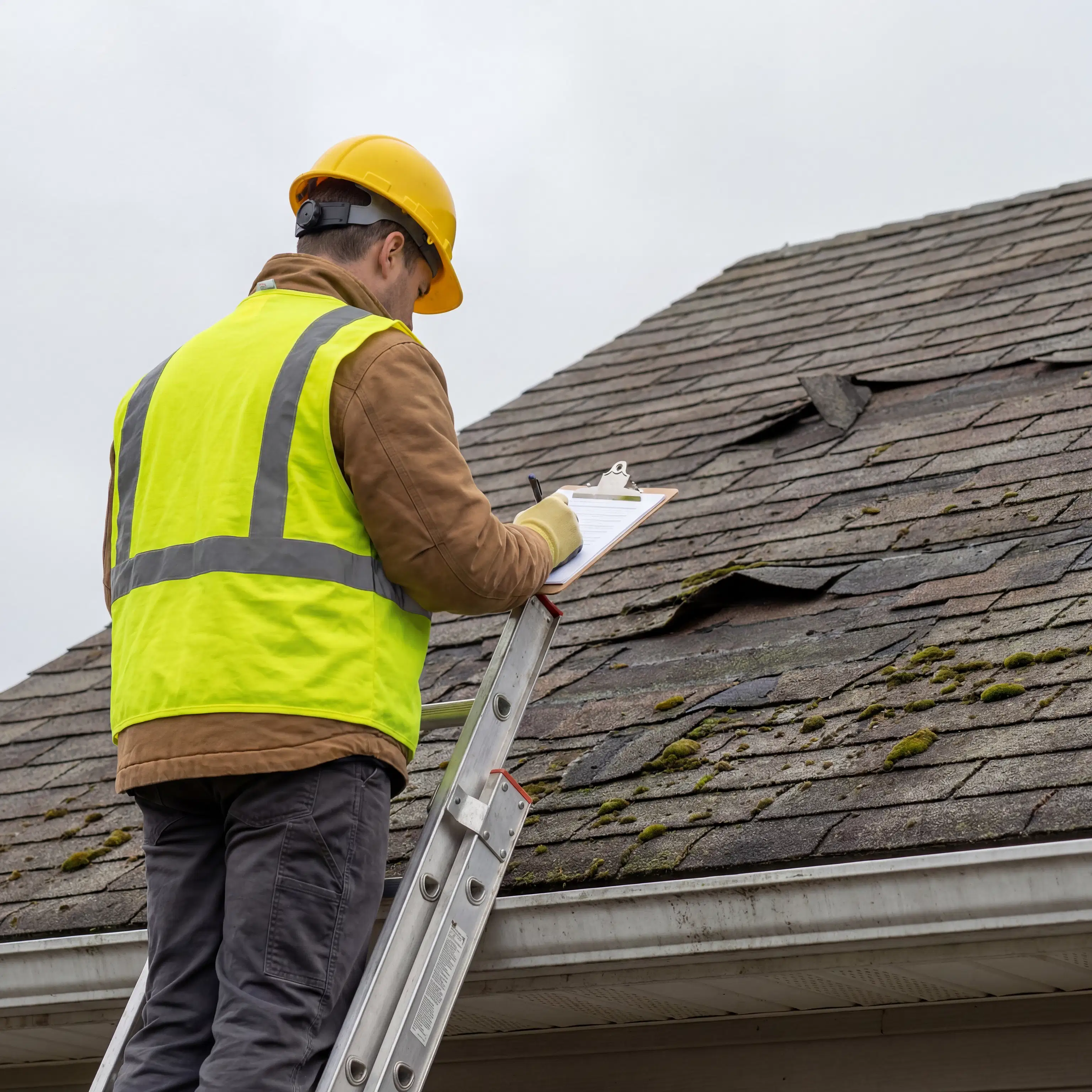
Selecting the right materials is often the most challenging part of updating an older home. You need products that meet historic home roofing material requirements while providing the durability needed to withstand severe weather. In the past, homeowners were often limited to expensive and high-maintenance materials like natural cedar shake or slate to appease historical societies.
Today, architectural shingles for older homes offer an excellent compromise. High-quality architectural shingles are designed to mimic the dimensional look of traditional wood shake or slate, satisfying landmark preservation roofing guidelines while offering superior weather resistance and longevity. When planning your residential roofing project, these modern shingles provide the authentic aesthetic your home demands without the exorbitant maintenance costs of natural materials.
Beyond aesthetics, energy efficiency is a major priority. Older homes are notoriously drafty, and a poorly ventilated attic can lead to skyrocketing utility bills. Incorporating modern ventilation solutions, such as ridge vents, into your historic roof design is a smart choice. Ridge vents allow your attic to breathe, regulating temperature in both the blistering heat of summer and the freezing depths of winter, ultimately making your historic home much more energy-efficient.
Protecting Your Investment from Midwestern Weather
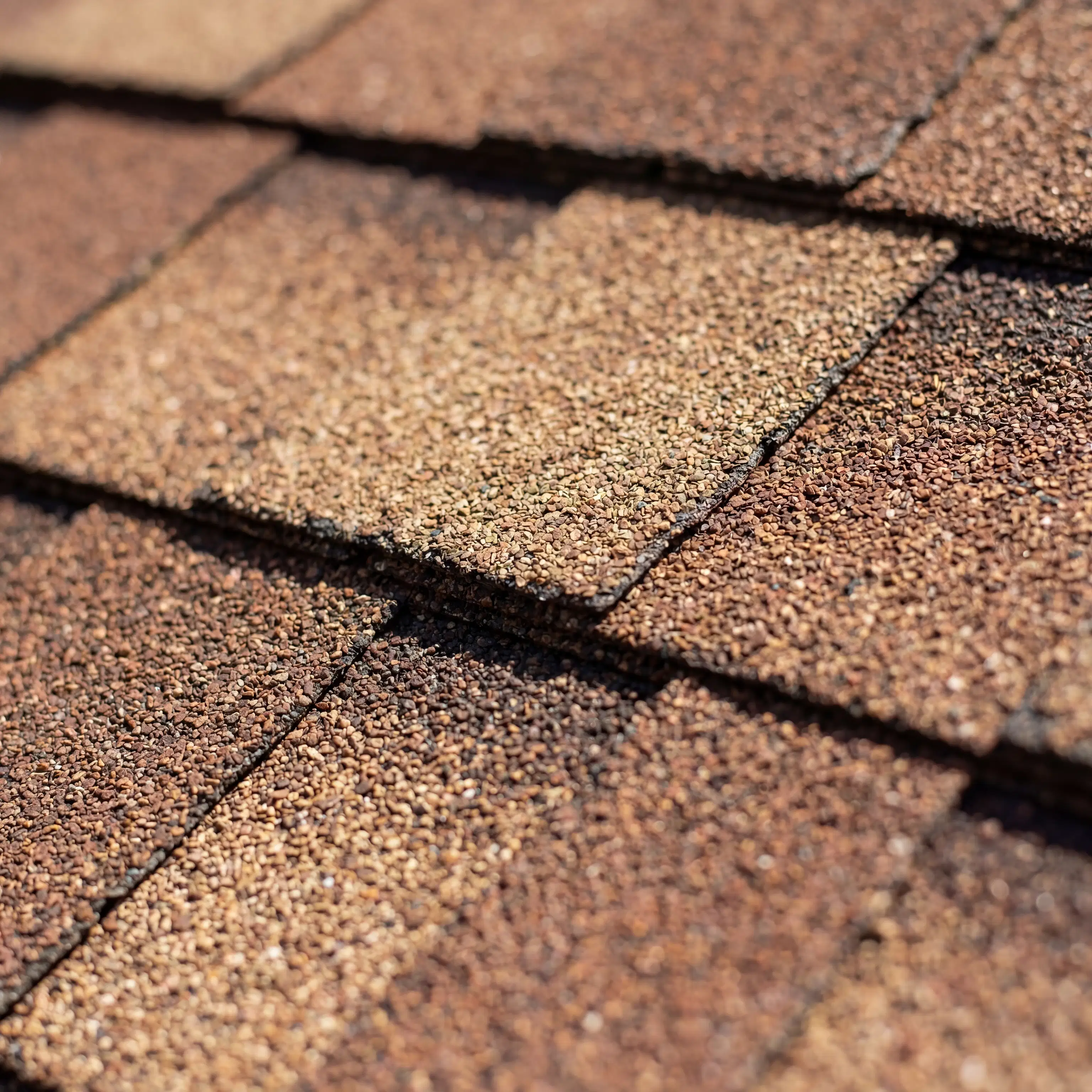
Older homes are particularly vulnerable to the elements. One of the most destructive winter issues homeowners face is ice damming. When heat escapes through a poorly insulated attic, it melts the snow on the roof, which then refreezes at the colder eaves. This creates a dam that forces water back under the shingles, leading to severe interior leaks and structural damage.
To truly protect your home, a complete roof replacement is often necessary rather than simply patching old, failing systems. A full replacement allows for the installation of modern ice and water shields, proper underlayment, and improved ventilation—all of which work together to prevent ice damming and moisture buildup. Additionally, the structural integrity of the roofline must be maintained. Upgrading your exterior with professional fascia installation & replacement ensures that the edges of your roof are sealed against moisture and pests, preserving the intricate woodwork that gives your home its character.
Finally, it is vital to protect yourself from out-of-state storm chasers who flood the area after severe weather. These temporary crews often use high-pressure sales tactics, perform subpar work, and disappear before you can ever file a warranty claim. A major home investment requires a partner who values transparency and quality workmanship. Look for comprehensive protection, such as a 30 to 50-year manufacturer warranty on materials and a solid 1-year workmanship warranty, provided by a team that will be around to honor it.
Securing Your Home's Future
Updating a historic property is a delicate balance of honoring the past and preparing for the future. By understanding local preservation guidelines, choosing the right architectural materials, and prioritizing comprehensive weather protection, you can ensure your home remains a stunning and safe haven for generations.
If you are ready to upgrade your property in McHenry County, you need a team that prioritizes quality over simply rushing to the next job. We specialize in full replacements that respect your home's heritage while providing unmatched modern durability. Reach out to Just Roof It today through our contact us page to schedule a thorough inspection and discuss how we can protect your historic investment.